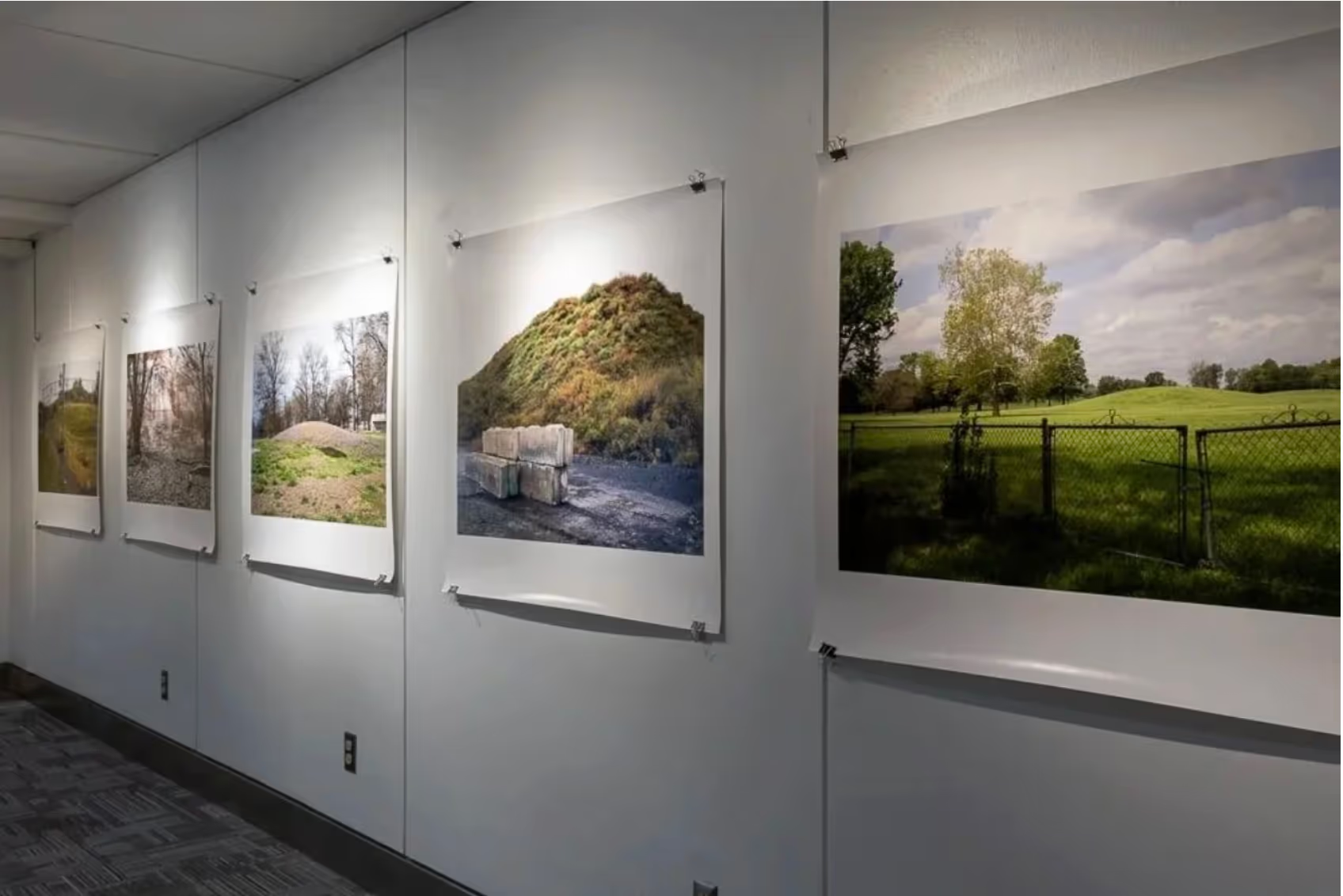
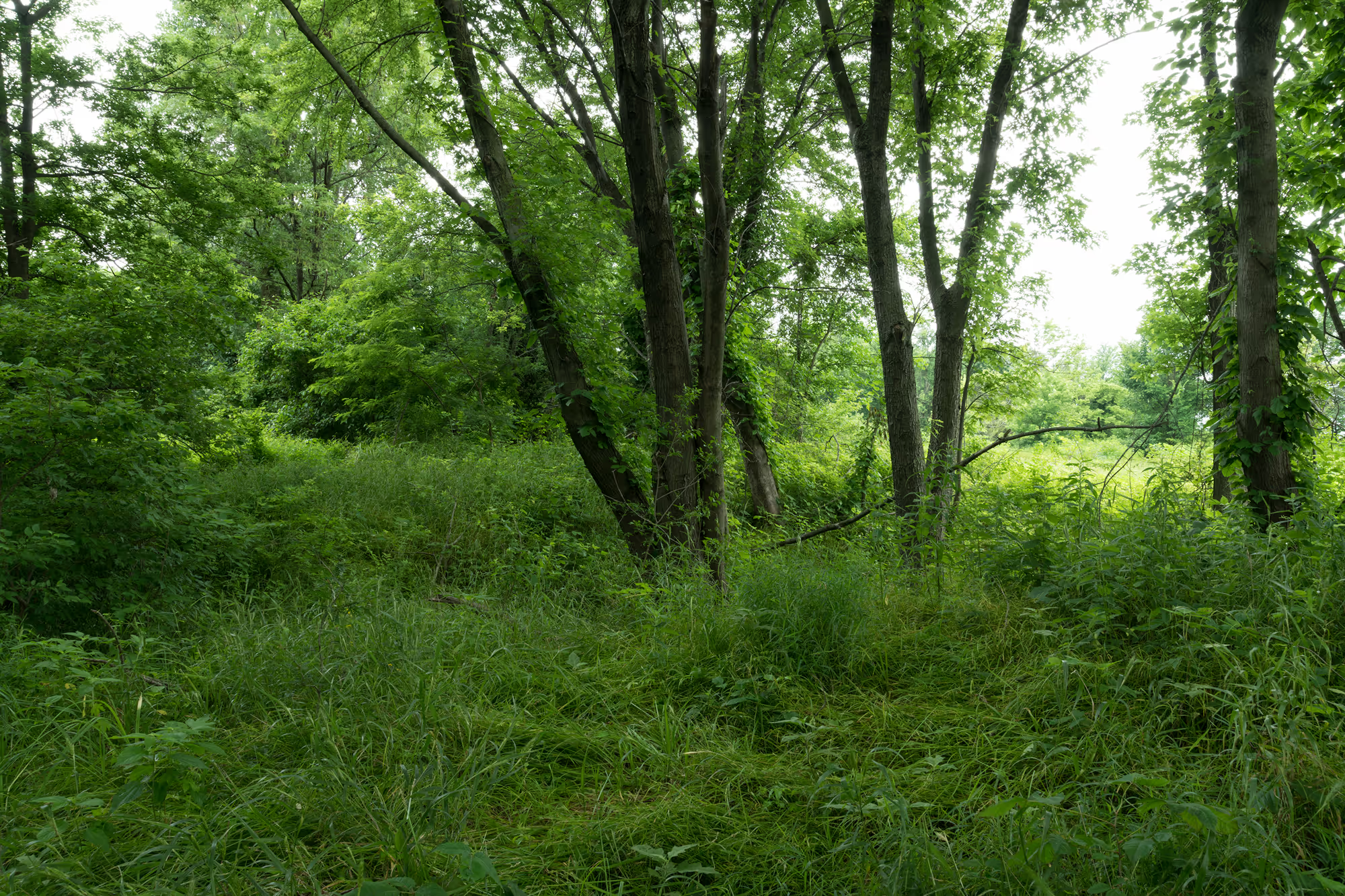
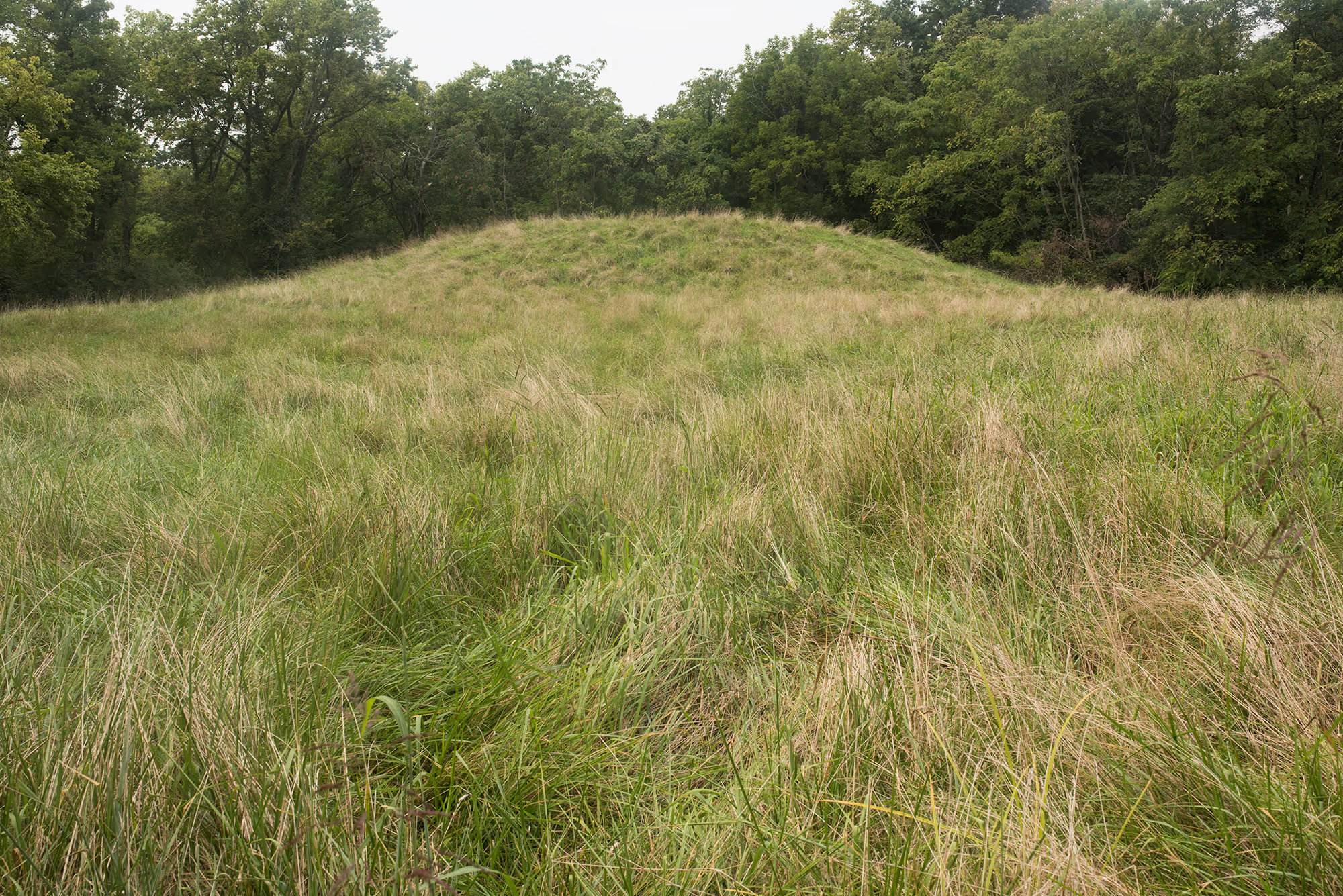
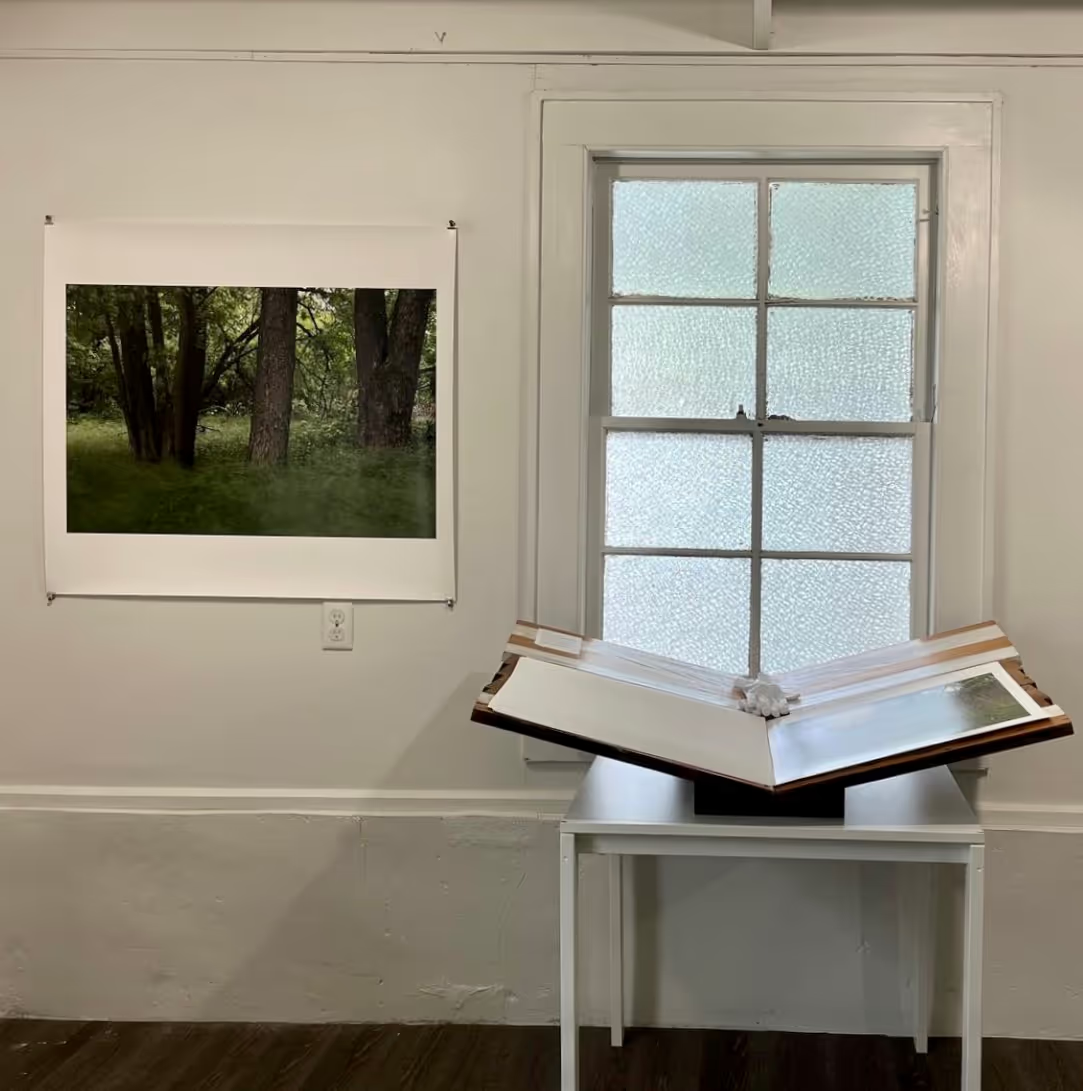
A set of photographs from Significant & Insignificant Mounds, was part of the exhibition Field Guide at Intersect Arts Center. The show then traveled to the Kling Gallery at the Lambert St Louis Airport. A lovely catalog was also produced and can be seen on the Intersect Art Center website.

I was invited by the Landscape Studies Department at Smith College to contribute to their Speaker's Program. The lecture series invites practitioners in diverse fields to share work related to landscapes of many forms: research about the environment, human impacts on the land, what questions and observations we might be asking together.

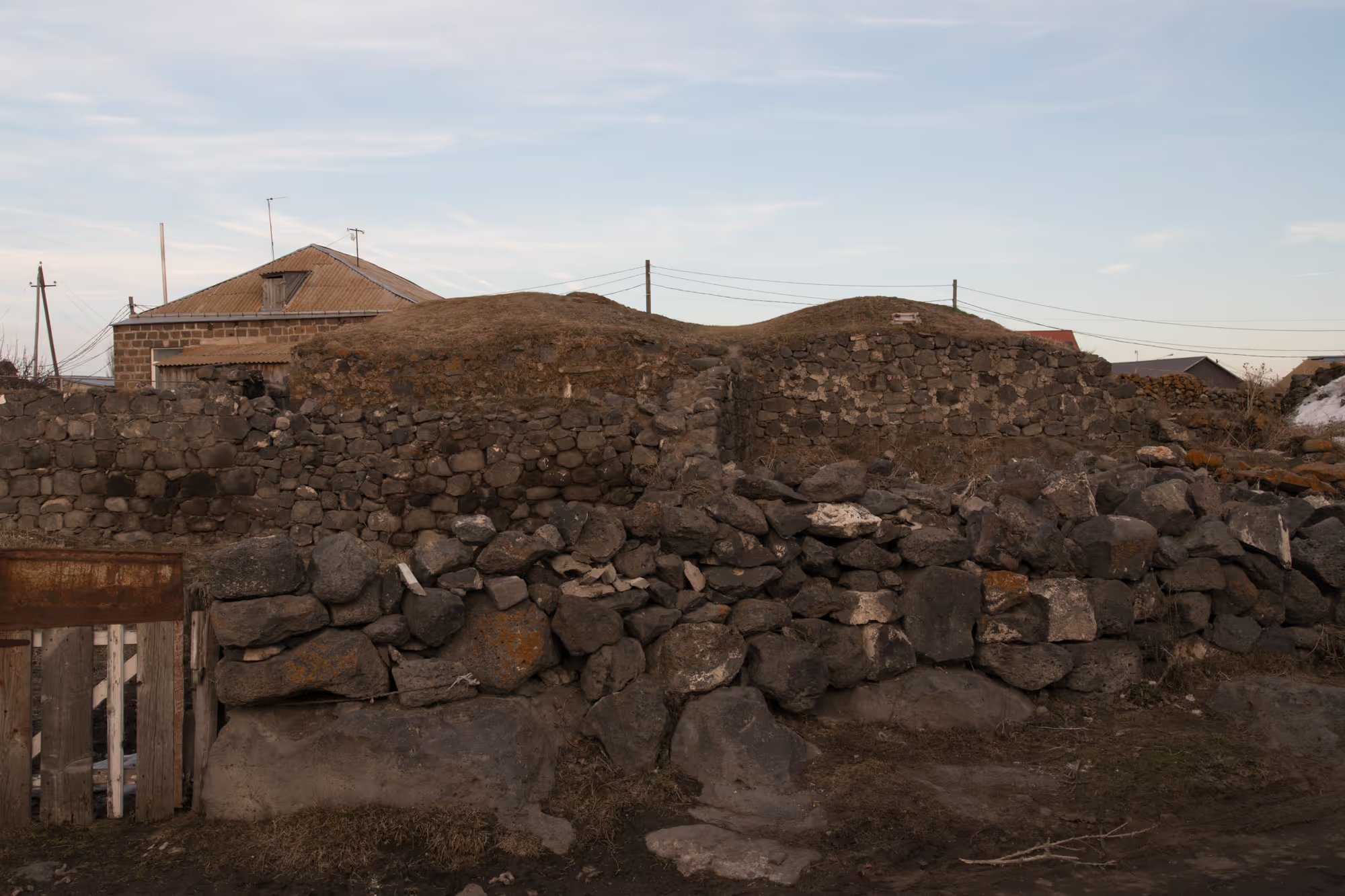
I traveled to Tbilisi and the Republic of Georgia. to join work with an incredible team studying and documenting ancient dwellings called Darbazi. The WashU Library Newman Exploration Travel Award provided the generous grant, making the travel and my contributions possible. Look at the website the Georgia team has been building— Darbazi Dialogues.

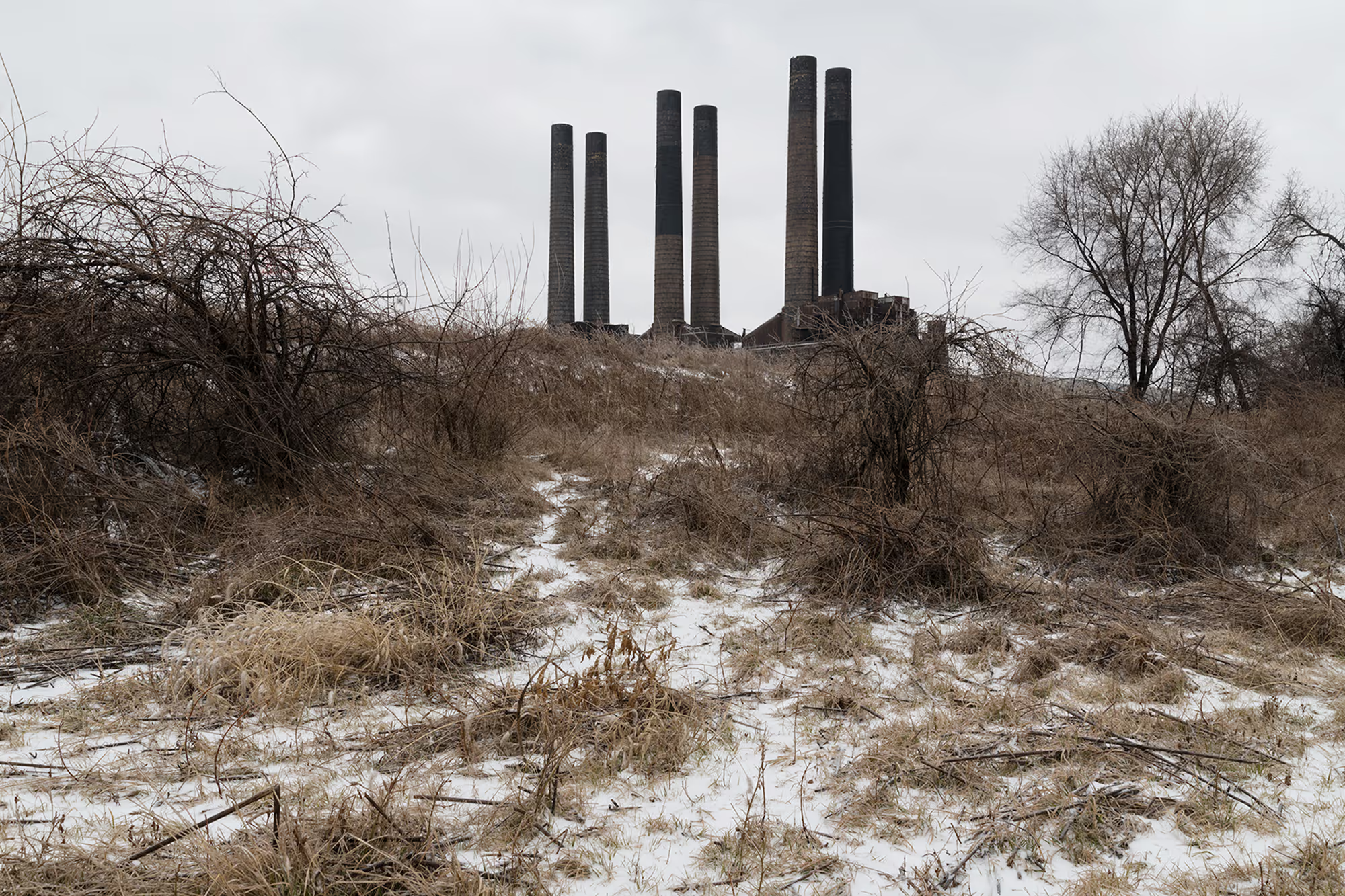
The exhibition Extractivism in the Americas, was on view at the Des Lee Gallery in St Louis. Hosted by the Center for the Humanities and funded by the Here & Next endeavor at Washington University, the works focused on the social and environmental impacts of resource extraction in the United States,
%20Large.avif)
Solo exhibition at Hardwick Gallery at Columbia College. A Land of Ancestral Futures, shared a selection from my body of work Higher Ground—photographs from Washington Park Cemetery, the once largest African American cemetery in the St Louis region.

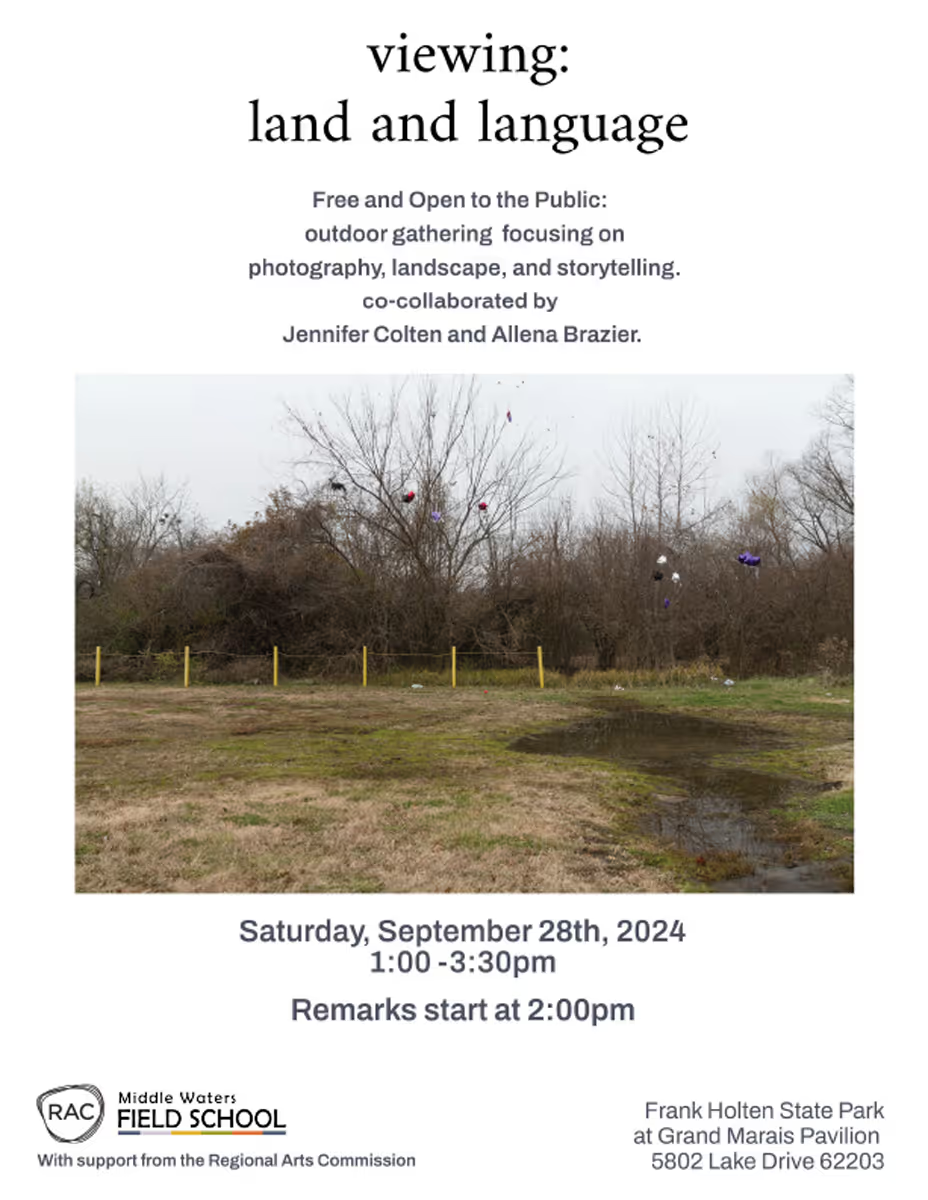
Event, exhibition, in collaboration with Allena Marie Brazier. Viewing: Land and Language. The project was part of our Mellon funded Middle Mississippi Field School. We collaborated to bring experiences and reflections of East St. Louis into view with photographs, poetry, fabric hand craft/storytelling and many moments of good sharing.

It was a true honor to be invited to be in conversation with Monique Verdin for the Voices of the Mississippi Watershed Podcast supported with Bvlbancha Liberation Radio and the Neighborhood Story Project, I shared about Significant & Insignificant Mounds and the American Bottom.

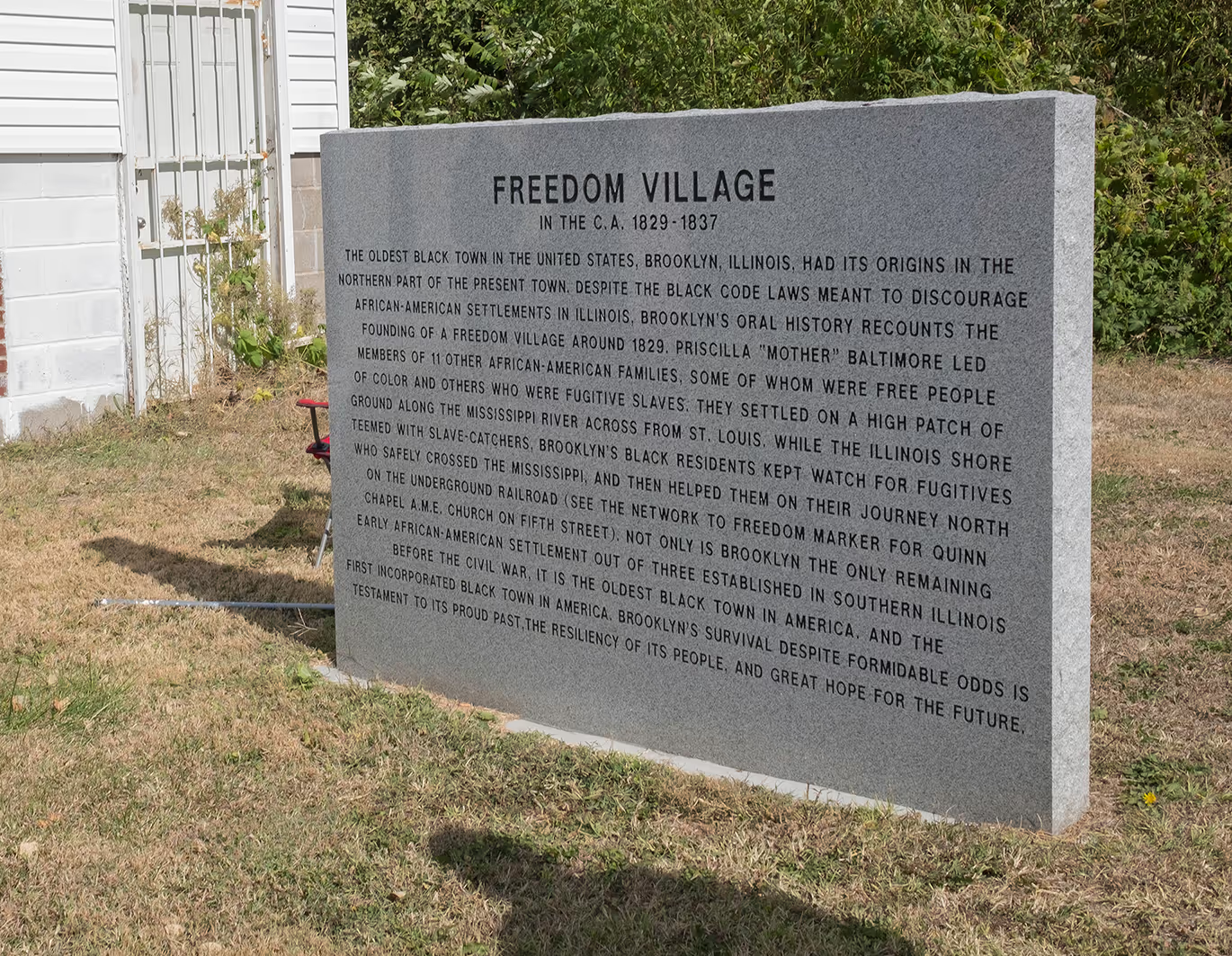
I am honored to be one of this year's recipients of a Futures Fund grant. This regranting initiative is organized by the Luminary in St Louis and funded by the Andy Warhol Foundation. In collaboration with residents, this project gathers Oral Histories from Brooklyn, Illinois elders. The town was established in 1820's when a group of eleven African American families led by "Mother" Pricilla Baltimore crossed the Mississippi River from the slave state of Missouri to the "free" land of Illinois. In 1873 Brooklyn became the first African American town to be incorporated in the United States

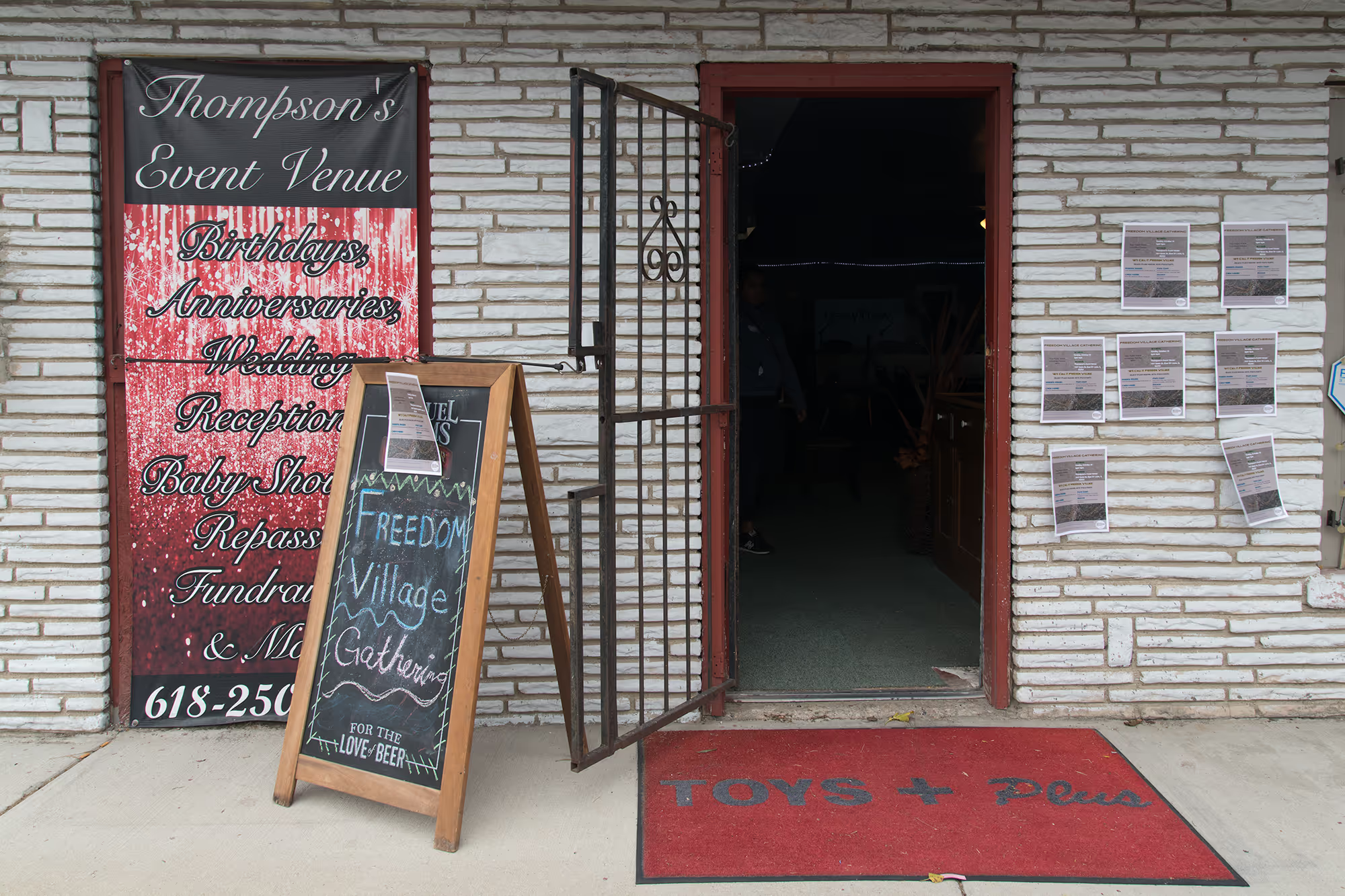
Our Middle Waters, Mississippi River Field School hosted a panel discussion, Freedom Village Gathering—at Thompson's Event Venue in East St. Louis. The afternoon fostered connection between the communities of Brooklyn, Illinois, Hannibal, Missouri, and the greater Metro St. Louis region. Conversation with members from each of these historic places was shared with people who came from far and close, to learn about the histories of African American communities and the remarkable individuals who built places of freedom, fortitude, resilience, and strength.

Work from my ongoing series Between the Levee and the River, was on view at Antenna Gallery in New Orleans. The exhibition, Insurgent Ecologies: Resisting Watersheds of Conquest, Enslavement, and Extraction Along the Mississippi River then traveled up the Mississippi River to Minnesota and was shown in the Warchaw Gallery at Macalester College in St. Paul.

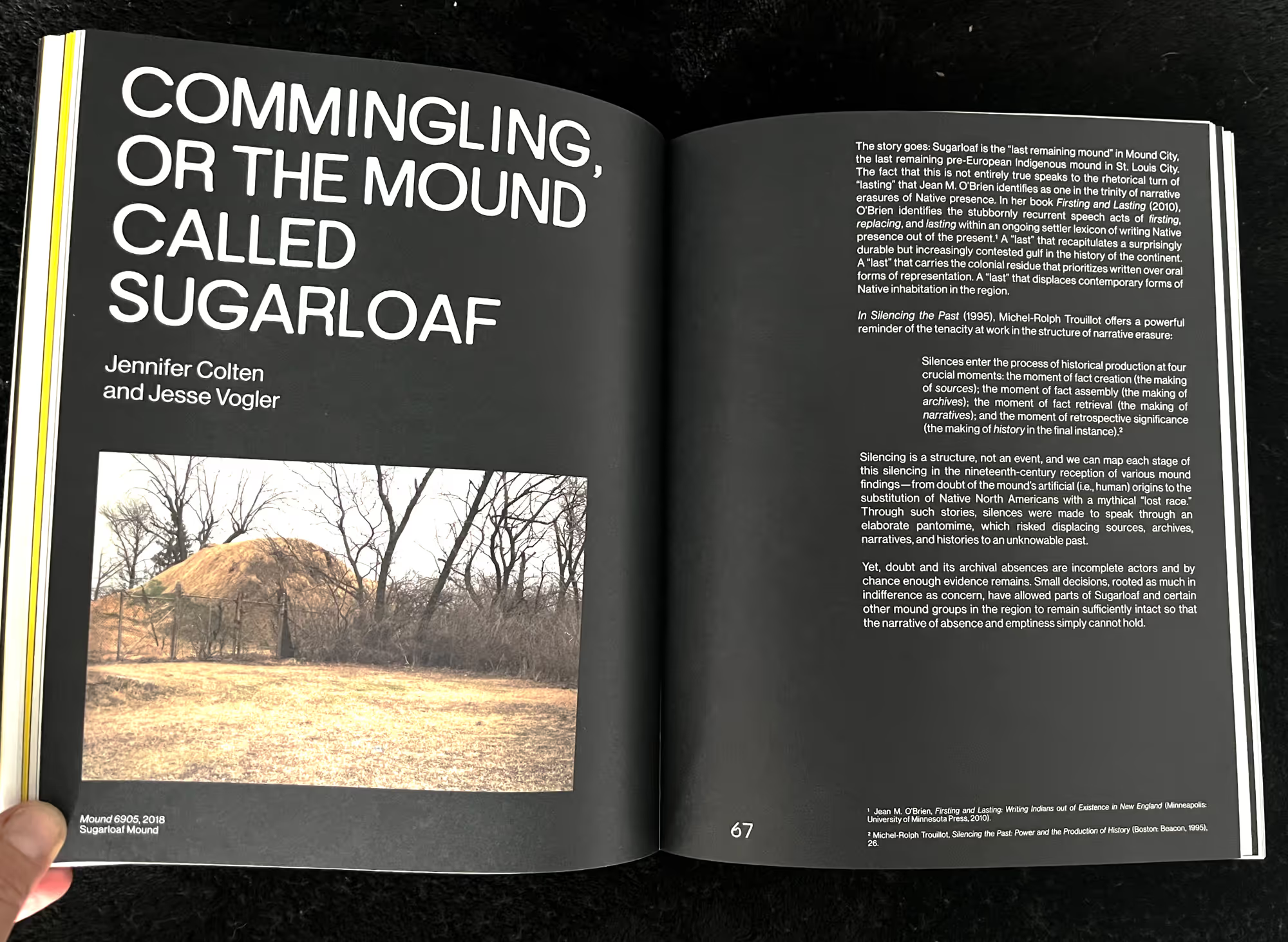
Jesse Vogler and I contributed to the 2023 CounterPublic Triennial catalog with our essay, Comingling, Or The Mound Called Sugarloaf. The essay is a reflection on complicated questions about this Native American sacred mound, land ownership, and home-place—asking how we might look at the past, reconcile the present, and reflect on potential futures.