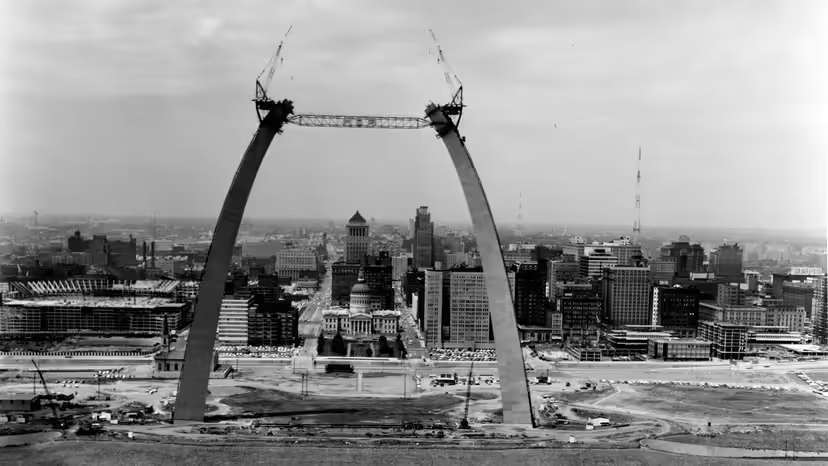
I have been making photographs of the Arch from the East side of the Mississippi River as a response to Joel Meyerowitz's St. Louis and the Arch—the commission initiated by the St. Louis Art Museum in the late 1970’s. These early works celebrated the Arch and were seen within the cityscape of St Louis. What the photographs show is visually sound, and historically interesting, but what struck me as I re-visited this project is what is overtly left out. In the omissions or overlooks is a telling record of the repeated and multiple erasures—of the histories, the land, and the people—that are integral to the story of St Louis and the wider country of the United States.
The displacements of African American residents from the ground that would become the Arch site; the refusals to hire African American people to be part of the monument’s construction; the earlier and original removals of Native American peoples from their land; the histories of slave trade at the St. Louis Courthouse; —all of this history is left out of the uncomplicated, albeit beautifully composed, views seen in Meyerowitz's work.
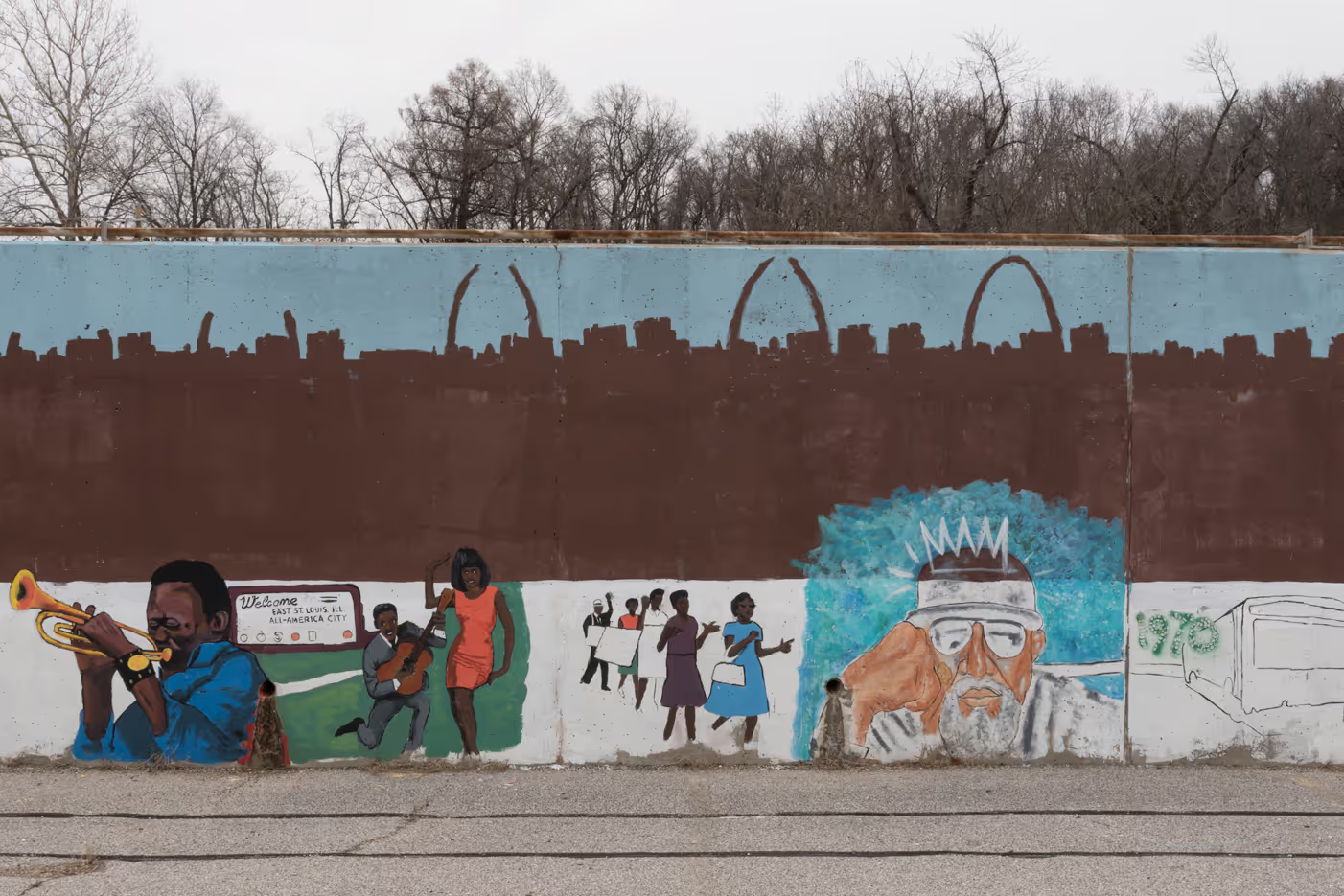
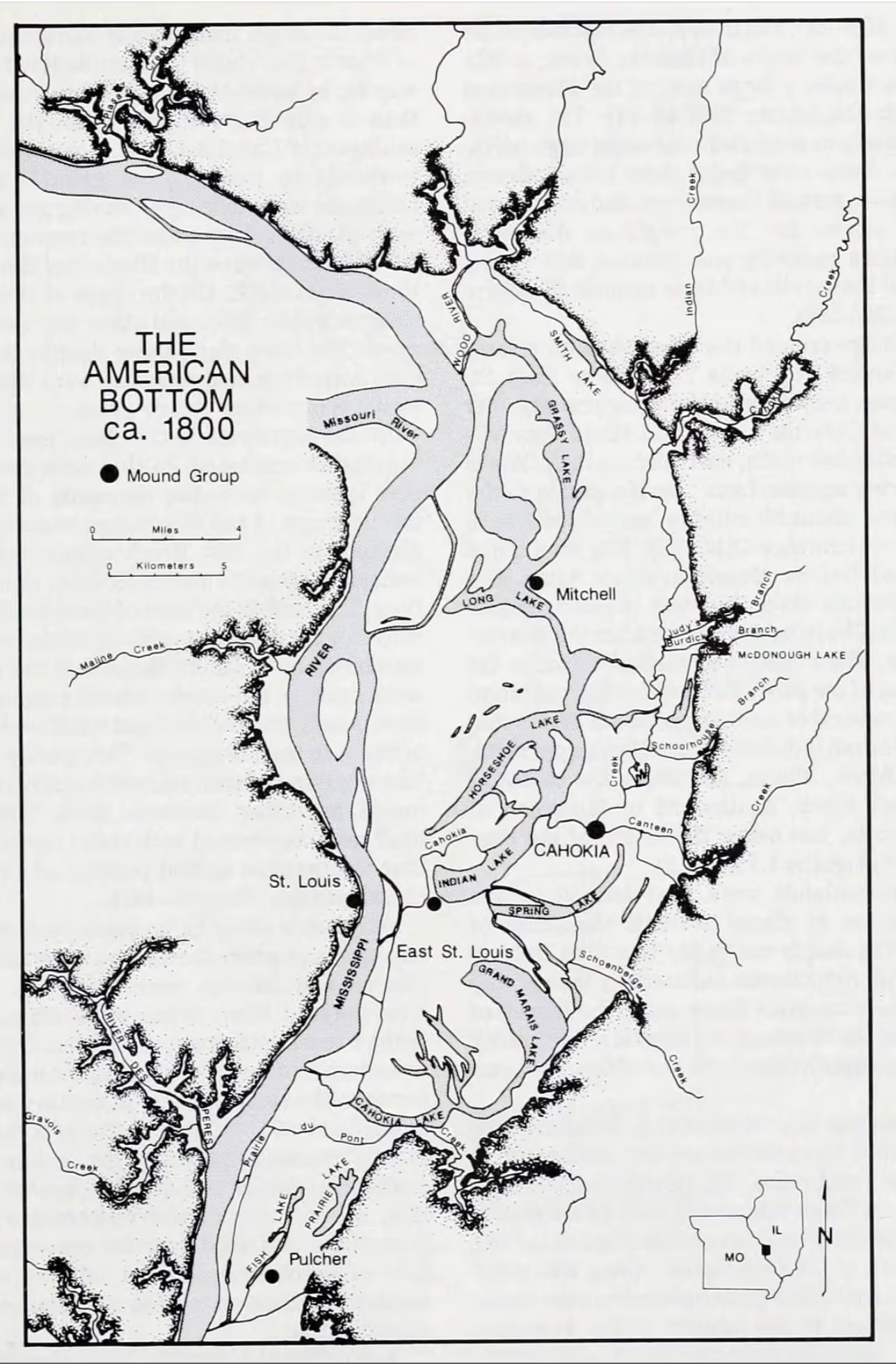
As impossible as it might be, I am attempting to make photographs of the Arch from the East side of the Mississippi River—from East St Louis, from Sauget, from Madison, Illinois—to look at this landscape, its histories, its social and racial complications. Views of the St Louis Arch from the East side of the Mississippi River are never celebrated views. Instead, the views are interrupted, forgotten and distant and they reveal deep and unspoken histories of racism.
The Arch from the East Side is about the racist histories embedded across the United States—histories celebrated in monuments, the commissioned projects, and in the stories repeated over time.
As a monument that claims its position as “Gateway to the West” the Arch becomes an expression of the troubled attitudes of Manifest Destiny. This directly ignores the land that was once Indigenous land; land that is home to generations of African American citizens; and land that supported and serviced decades of commerce, industrial production, and material transportation throughout the 19th and 20th centuries.
That the Arch is hard to see in the small handful of photographs I have made is not a surprise. The East side is often forgotten and overlooked—and racism and intentional "forgetting" is at the heart.
Lorem ipsum dolor sit amet, consectetur adipiscing elit, sed do eiusmod tempor incididunt ut labore et dolore magna aliqua. Ut enim ad minim veniam, quis nostrud exercitation ullamco laboris nisi ut aliquip ex ea commodo consequat. Duis aute irure dolor in reprehenderit in voluptate velit esse cillum dolore eu fugiat nulla pariatur.
Block quote
Ordered list
Unordered list
Bold text
Emphasis
Superscript
Subscript

%20Large.avif)